How Industrial Chillers Improve Efficiency in Large-Scale Cooling Systems: A Buyer’s Guide
In industries requiring vast cooling capabilities, efficiency is crucial—not only for performance but also for cost-effectiveness. Industrial chillers, responsible for cooling large spaces or processes, have proven essential for businesses aiming to maintain precise temperature controls while reducing operational costs. According to recent studies, the global industrial chiller market is expected to grow at a steady rate of 5.1% by 2027, reflecting increased demand across sectors like manufacturing, data centres, and food processing. This increase is largely driven by the significant benefits offered by efficient chillers, such as energy savings, reduced operating costs, and improved product quality in temperature-sensitive applications.
Recent advancements in chiller technology, including smart controls and variable-speed drives (VSDs), are also enhancing system efficiency and reliability. These innovations allow for more accurate temperature regulation, helping to prevent costly overheating while ensuring consistent product quality. This guide will explore how industrial chillers can significantly boost efficiency, detailing key considerations for buyers and offering insights into how Circular Cooling’s solutions can make a difference.
Latest Deals for This Week
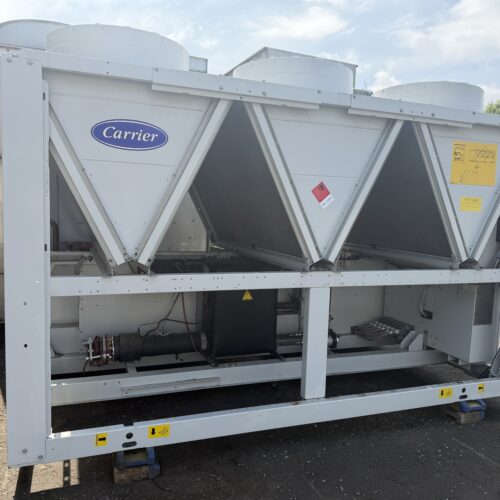
View AllCarrier 30RBP410R
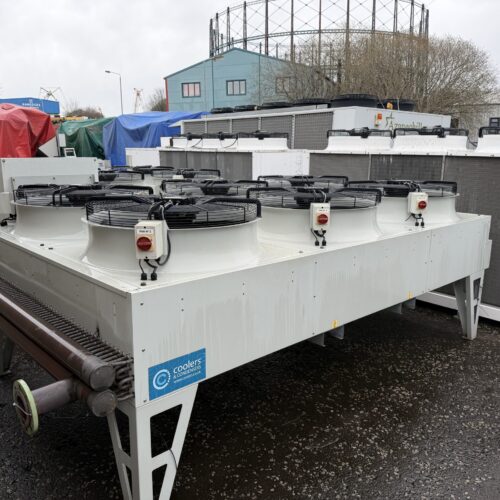
Coolers & Condensers DHFC
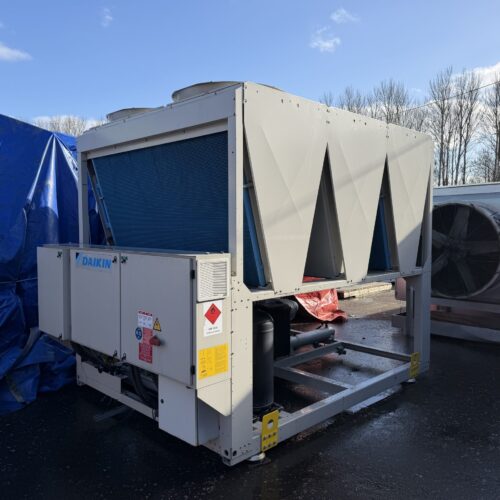
DAIKIN EWAT330B
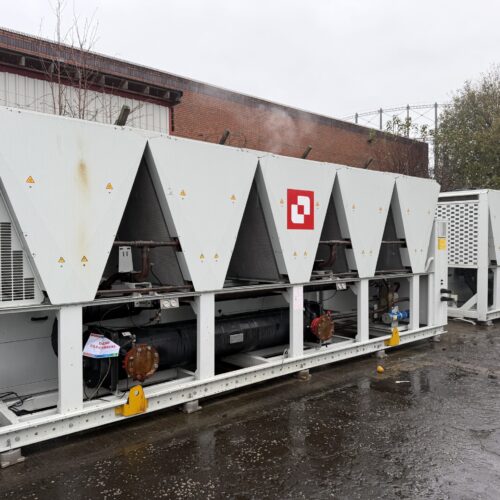
CLIMAVENETA FX-G05/K/S 3152
Trane CGAF 140 SE SN
1. What Are Industrial Chillers?
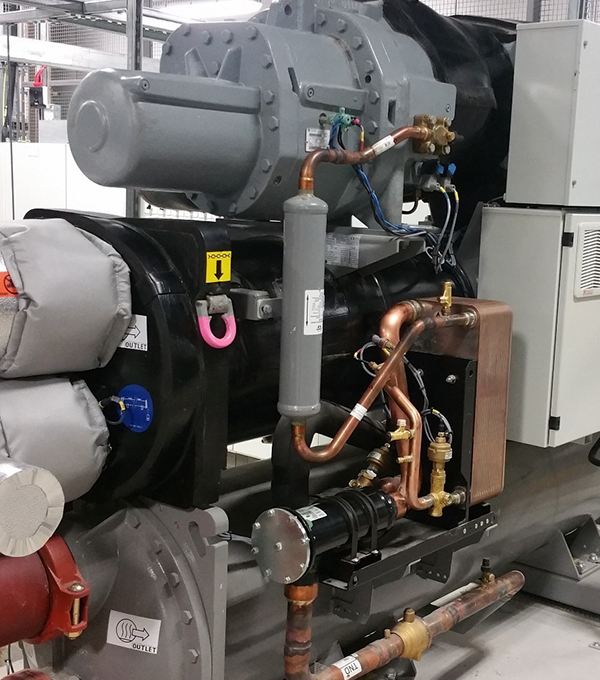
Industrial chillers are essential cooling systems that remove heat from a liquid, maintaining a steady temperature for equipment and processes. By controlling temperatures, chillers prevent machinery from overheating, reducing the risk of costly downtime and repairs.
Examples of Industrial Chillers in Action:
- Data Centers: With thousands of heat-generating servers, data centers rely on chillers to prevent overheating and maintain hardware performance, avoiding service interruptions.
- Plastic Manufacturing: During molding processes, chillers keep equipment cool, ensuring high product quality and reducing defects.
- Food and Beverage Processing: Chillers control temperatures for perishable products, like dairy, to prevent spoilage and meet health standards.
- Pharmaceuticals: Chillers ensure that temperature-sensitive products, such as vaccines, remain stable and effective during production and storage.
- Breweries and Wineries: By maintaining precise temperatures during fermentation, chillers help producers achieve consistent flavours and quality.
2. Why Efficiency Matters in Large-Scale Cooling
The substantial cooling demands in industrial settings often lead to high energy use—and potential waste—if systems are not optimised. Industrial chillers address this challenge by fine-tuning the cooling process, achieving energy savings of 20% to 50%. This efficiency translates directly into lower operational costs, longer equipment lifespan, and environmental benefits from reduced energy consumption.
These savings are often achieved through methods like free cooling, where outdoor air is used for cooling during colder months, or economiser cooling, which uses a portion of the system’s waste heat to improve overall efficiency. For a typical industrial facility, such improvements could cut thousands in annual energy costs, enhancing profitability without compromising cooling performance.
Beyond energy savings, efficient chillers often reduce maintenance needs, since optimised systems experience less wear. Improved cooling precision also leads to more consistent output, making chillers a vital investment for businesses focused on performance, sustainability, and long-term savings.
3. Types of Industrial Chillers and Their Efficiency Impacts
Choosing the right chiller for an application is essential for optimising cooling efficiency, reducing costs, and minimising environmental impact. Each type of chiller – air-cooled, water-cooled, and absorption – offers unique benefits for different settings.
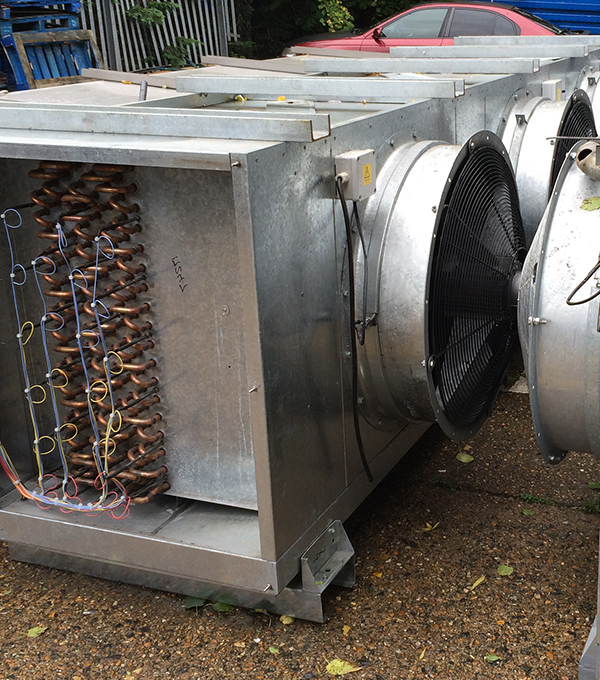
- Air-Cooled Chillers: Known for their easy installation and maintenance, air-cooled chillers are ideal for smaller facilities or those without a reliable water source. Commonly used in small to medium-sized office buildings, these chillers are a practical choice where space is limited, and water resources may be scarce. They are also popular in retail stores, as they can be installed on rooftops, freeing up floor space inside the building. Schools and educational institutions benefit from their flexibility to handle varying cooling needs throughout the year, while temporary event venues use portable air-cooled chillers for convenient and effective outdoor cooling.
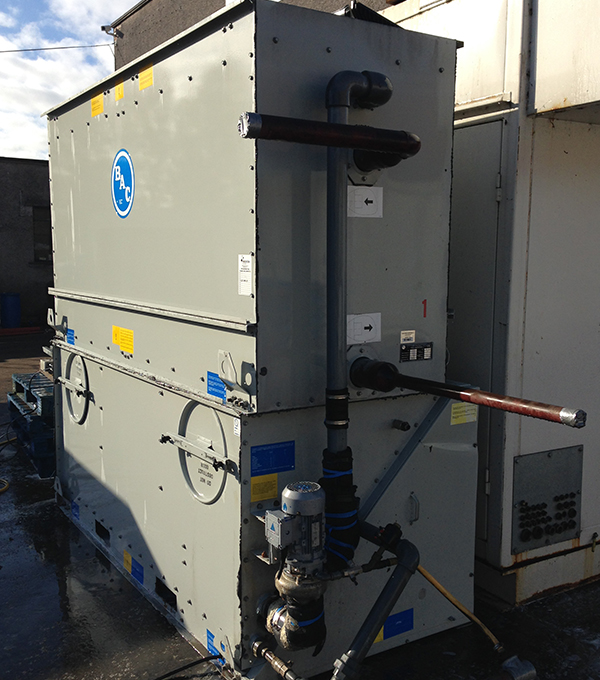
- Water-Cooled Chillers: These chillers are designed for high-capacity applications and rely on cooling towers to provide efficient cooling with a reduced carbon footprint. They are commonly installed in large hospitals, where consistent, high-capacity cooling is critical for patient comfort, medical equipment, and multiple departments. Data centres also benefit from water-cooled systems due to the substantial heat generated by servers and IT equipment. In industrial manufacturing plants, where machinery and processes produce significant heat, water-cooled chillers provide the necessary capacity for large-scale cooling. Hotels and resorts depend on water-cooled chillers to maintain guest comfort across large areas and diverse amenities.
- Absorption Chillers: Absorption chillers are particularly suited for settings where waste heat is available to drive the cooling process. In combined heat and power (CHP) plants, waste heat from power generation is used to power absorption chillers, maximising energy efficiency. Similarly, food processing facilities can utilise the excess heat from cooking and sterilisation to drive these chillers, providing a cost-effective refrigeration solution. Chemical plants benefit by repurposing heat from chemical reactions, reducing overall energy consumption. District cooling systems in urban areas also use absorption chillers to tap into waste heat from nearby industrial sites, efficiently cooling multiple buildings from a centralised source.
4. Key Efficiency Features to Look for in Industrial Chillers
- Variable Speed Drives (VSDs): By adjusting the speed of the compressor motor, VSDs help reduce energy use during low-load periods, cutting overall consumption and costs.
- Advanced Control Systems: Modern chillers come equipped with intelligent controls, which monitor system performance and adjust settings to maintain optimal efficiency.
- Energy Recovery Capabilities: Some chillers can recover waste heat, reusing it for other applications like heating water or ambient heating.
Take advantage now before the offer runs out
5. Real-Life Applications of Industrial Chillers
- Data Centers: With large amounts of equipment that must stay cool to prevent overheating, data centres benefit immensely from water-cooled chillers’ high efficiency.
- Food Processing Plants: Industrial chillers maintain strict temperature controls in processing and storage, ensuring compliance with health standards and reducing spoilage.
- Manufacturing Plants: From plastic moulding to metal fabrication, manufacturing often produces intense heat. Industrial chillers help manage this, increasing production efficiency and safeguarding equipment.
6. Buying Guide: Choosing the Right Industrial Chiller for Efficiency
- Assess Cooling Requirements: Consider the size of your operation and the specific cooling needs – whether for direct cooling, heat extraction, or precise temperature control.
- Evaluate Long-Term Costs vs. Initial Investment: While water-cooled chillers may have a higher initial cost, they can result in substantial savings over time through improved energy efficiency.
- Consider Environmental Impact: Look for chillers with a low global warming potential (GWP) refrigerant and energy-saving features that reduce carbon footprint.
- Maintenance and Serviceability: Regular maintenance is vital for long-term efficiency. Ensure the chiller you choose has accessible service points and offers support for preventive maintenance.
7. How Circular Cooling Can Support Your Cooling Efficiency Goals
Circular Cooling’s range of industrial chillers is designed to cater to various large-scale applications, from manufacturing to commercial sectors. Each chiller in our portfolio offers state-of-the-art efficiency features like variable speed drives and intelligent control systems, ensuring your operation remains cost-effective and environmentally responsible. Additionally, we provide tailored support and maintenance services to keep your system running smoothly, maximising your investment in sustainable, efficient cooling.
Featured Products
View AllConclusion
Selecting the right industrial chiller can dramatically improve the efficiency of large-scale cooling systems, lowering costs and supporting sustainability goals. By understanding your cooling needs, exploring efficient chiller types, and evaluating their features, you’ll be well-equipped to make a smart investment. Circular Cooling offers advanced, reliable solutions for industrial chilling, helping businesses optimise their operations with cutting-edge technology. Contact us today to discover how we can support your cooling needs with the latest in efficient chiller technology.